Salute
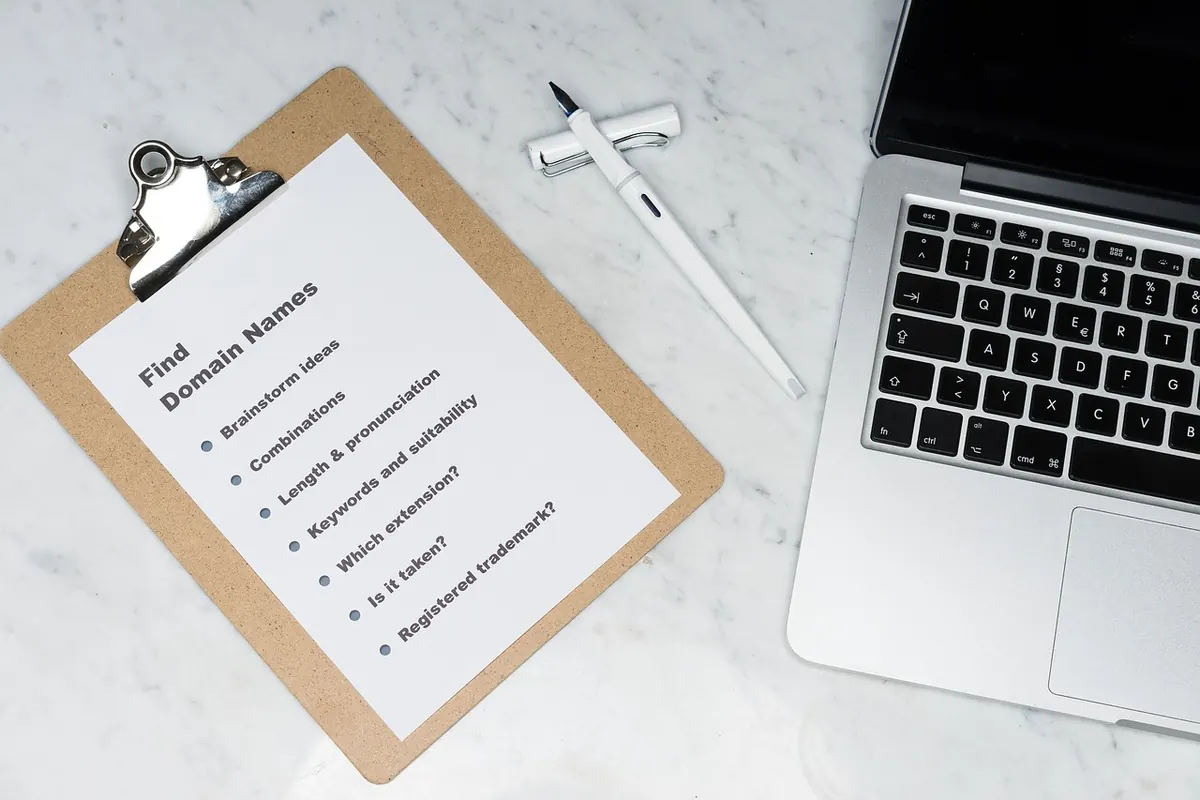
How to Prepare for a Specialist Appointment: A 10-Item Checklist
A specialist appointment is a strange kind of meeting. You get fifteen minutes with someone who has never met you, and in that window you have to compress months of worry into something they can act on. The patients who leave feeling heard are rarely the ones with the most dramatic stories. They are the ones who arrived with the right pieces of paper and a clear sense of what they needed answered.
What follows is a checklist designed to be printed and kept by the door, next to your keys. Assembling it takes about twenty minutes. It quietly protects you from the most common waste of a specialist visit: reaching the end of it and realising you never mentioned the thing that bothers you most.
Start With the Paperwork Nobody Remembers
In many health systems you cannot be seen without a referral, and in others the referral quietly defines what the specialist is allowed to discuss with you. Either way, it is worth reading before you travel. A referral written for "knee pain" when your real concern is your hip can send the whole visit in the wrong direction.
Three checks before you leave the GP's office
- The problem matches. Does the referral describe the symptom you are actually worried about, in words a stranger would understand?
- The date is recent enough. Some referrals expire after a set period, and imaging requests often have their own window. Ask the receptionist if you are unsure.
- The name and date of birth are correct. A misspelled surname or a wrong year of birth can mean a rebooked appointment and a wasted morning.
Bring the referral letter plus your identification, insurance card or payment details, and any pre-authorisation number you were given. Carry copies rather than the only original, and keep the originals in the same folder so nothing goes missing between the front desk and the consulting room.
Turn Your Symptoms Into a Timeline
Most people describe symptoms as a mood: it has been awful. Specialists work from sequence and specifics, because those are the details that separate one diagnosis from another. One page, written in plain sentences, is enough.
Include roughly when it started, what changed and when, what makes it better or worse, what you have already tried and whether it helped, and how it affects sleep, work or movement. A useful shape looks like this: March — first twinges after swimming. April — began waking at night. June — stopped walking the dog. August — pain now present at rest. Approximate months are fine. Precision you do not have is worse than an honest "around spring".
If symptoms come and go, keep a two-line daily log for a couple of weeks: date, severity, anything unusual. It takes a minute a day and gives the specialist a pattern you could never recall from memory. Photographs help too — a rash photographed at its worst on a Tuesday evening is more useful than a description of it on a calm Thursday morning.
The Medication List Most People Get Wrong
"A blood thinner and a little white pill" is not a medication list. What the specialist needs is the name, the dose, how often you take it, and what it is for. Add who prescribed it if you know. Include supplements, vitamins and any herbal preparations you take regularly, plus the painkillers you only reach for occasionally — those count, and some of them matter a great deal before procedures.
Note what you have stopped and why. A drug you abandoned because of side effects is genuine clinical information, not a failure to report. So are allergies and bad reactions: name the substance, then say what happened, whether it was a rash, swelling, sickness or something else.
The simplest method is to photograph every box and bottle on your kitchen table, or ask your pharmacy for a printed summary. Fold it into your wallet. That list is useful in far more situations than this one appointment.
Questions That Earn Their Place
Bring three to five questions, ranked in order of importance. If time runs short, the ones at the top got asked. Write them down and hand the list over if you freeze — clinicians are used to it, and it saves everyone the awkward pause while you try to remember.
- What do you think is going on, and what else could it be?
- What is the next step, and when should I expect to hear something?
- What would make you want to see me sooner than that?
- Should I change anything about my current medication while we investigate?
- Is there anything I should stop doing in the meantime — lifting, driving, exercise?
Keep one question spare for the end: who do I contact if this gets worse before the follow-up? A specialist may not be able to answer everything in a single visit, and knowing the route back to the office is often the most practical thing you leave with.
If you only do one thing before the appointment, do the medication list. If you do two, add the timeline. Everything else is a bonus.
The 10-Item Checklist
- Referral letter. Checked for the correct problem, a valid date, and the right spelling of your name.
- Identification and insurance. Card, payment details or pre-authorisation number, plus a copy of anything the office asked you to bring.
- Your one-page symptom timeline. Dated at the top, in plain language, with the changes that matter marked.
- A symptom log or photographs. Two lines a day, or pictures taken at the worst moment rather than the most convenient one.
- Medication list. Names, doses, frequency, purpose, plus supplements and anything you have stopped.
- Allergies and bad reactions. What the substance was and what happened.
- Test results and imaging. Printed reports, discs, or login details for the portal — whichever the clinic accepts.
- Your top three questions. Written down, most important first, with a spare line for the answer.
- Something to write with. A notebook and pen, or a phone you are prepared to use for notes.
- A companion, if you want one. Agree their job beforehand: note-taker and second pair of ears, not a second patient.
Print the list, tick it the night before, and leave it in the folder with the rest of the paperwork. The point is not tidiness. It is that walking in prepared frees your attention for the conversation itself, which is where the value of the visit actually sits.
The Day Itself, and the Week After
Arrive early enough to fill in forms without hurrying. If you bring someone with you, decide who speaks and when; two people answering at once can make a short appointment shorter. Ask whether you may record the conversation on your phone — many clinicians agree if you ask first, and few appreciate being recorded without warning. Write down the plan while you are still in the room: what was diagnosed or suspected, what changed in your medication, which tests were ordered, who will call you and roughly when.
Within twenty-four hours, write a short summary for yourself while it is fresh. Book the follow-up before you leave if the clinic allows it, and keep the appointment card somewhere visible. If something in the plan did not make sense once you got home, ring the office and ask. That is a normal call, not a nuisance.
A checklist makes you clearer, not self-sufficient. If your symptoms get worse, or something worries you before the appointment date, contact your GP or urgent care rather than waiting for the specialist to weigh in. Preparation is there to help the conversation work; the medical decisions still belong with the clinician treating you.
Photo: viarami / Pixabay
Related Articles